

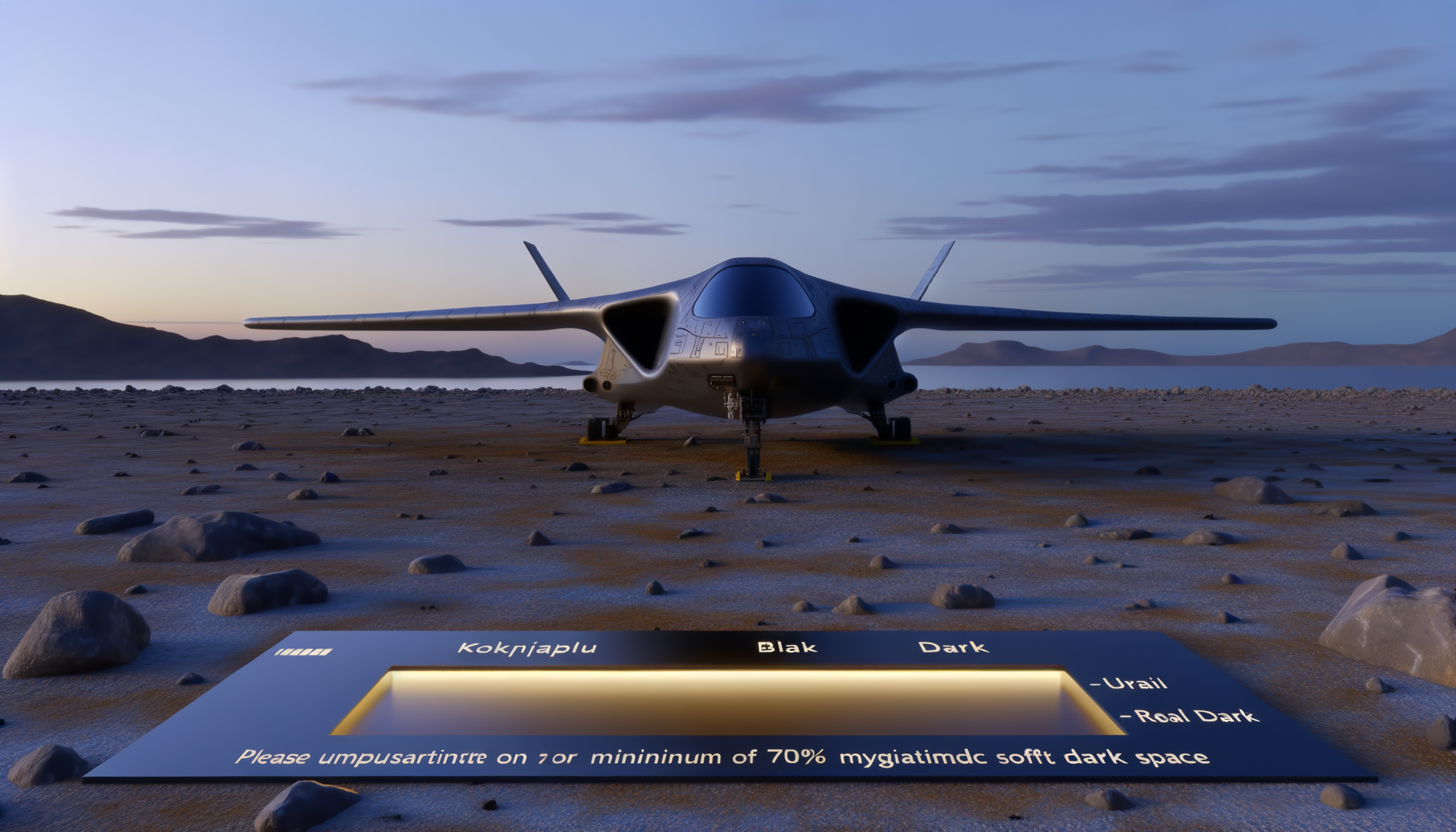
The skies are about to be transformed: a new breed of combat jet is coming, and there may never be a pilot in the cockpit. Will AI truly outfly human fighter aces—and how soon?
The Dawning Age of AI in Aerial Combat
For decades, the imagination of military thinkers and the ambitions of defense technologists have circled one question: What happens when AI escapes the lab and enters the battlespace? Today, with Shield AI’s unveiling of the X-BAT VTOL autonomous fighter jet, the answer is hurtling toward reality far faster than most expected. Mission-capable flights are already scheduled for 2028, setting in motion a tectonic shift that few outside the defense field grasp—and even fewer are prepared for.
Beyond Hype: What Is Shield AI’s X-BAT?
Shield AI, long known for its autonomous pilots for drones and uncrewed air systems, in late 2025 unveiled the X-BAT VTOL autonomous fighter jet. Unlike previous “optionally piloted” jets, X-BAT is designed from the ground up as a fully autonomous aircraft, optimized for combat and cooperative operations. Its vertical takeoff and landing (VTOL) abilities go beyond logistical convenience; they promise to break the geographic limits of traditional airfields and complicate enemy targeting calculus at a strategic level.
But the true revolution is not only in the hardware. X-BAT merges relentless autonomy with cutting-edge AI, allowing it to engage in high-G maneuvers, function as a solo combatant, or serve as a ‘loyal wingman’ alongside manned aircraft. It is built to make split-second decisions, coordinate in multi-vehicle swarms, and adapt to evolving threats—without awaiting human micromanagement.
Why 2028 Is the Year to Watch
- Planned VTOL flights begin: Fall 2026
- Full mission capability: 2028
- Foreshadows the transition from experimental unmanned systems to AI-powered combat assets with real warfighting roles
By 2028, we may witness the first autonomous fighter jets not as laboratory curiosities—but as operational assets with decisive impact on air superiority.
The Strategic Context: US Policy and the Global Arms Race
Why is X-BAT arriving now? Timing is no accident. The United States and its allies have rapidly accelerated military AI adoption, spurred by successive National Defense Authorization Acts prioritizing AI integration. Over $90 billion is earmarked for next-generation AI infrastructure across all defense sectors, betting big on the dual promise of autonomous capabilities and strategic advantage.
These moves reflect a belief—unspoken publicly, but clear in policy—that the military AI race is entering a critical phase now. The aim is not just to react to adversaries, but to reset the terms of airpower itself. X-BAT, as a testbed and operational platform, aligns perfectly with this paradigm: agile, rapidly upgradable, and—critically—fully autonomous.
What Sets the X-BAT Apart?
- Designed exclusively for autonomy—not retrofitted
- VTOL capability increases deployment and basing flexibility
- Interoperability as solo agent, autonomous swarm member, or loyal wingman to manned jets
- Purpose-built AI stack enables mission-level decision-making, not just basic flight controls
- Adaptive threat response and collaborative tactics in denied or GPS-jammed environments
Tactical Shifts: How Autonomous Fighters Change the Battlefield
Let’s be explicit: The X-BAT is not just a cheaper, risk-reducing drone. It unlocks tactical and operational concepts that were prohibitively dangerous (or outright impossible) for manned pilots. Several game-changing use cases come into view:
- High-risk Suppression of Enemy Air Defenses (SEAD): Unmanned, expendable, and highly maneuverable, X-BATs can hunt SAM sites far forward—accepting loss rates human generals would consider unthinkable for piloted jets.
- Swarm-based Ambushes: Multiple AI-piloted fighters can coordinate sensing, jamming, and attack profiles, compressing OODA loops (observe-orient-decide-act) to near-zero lag.
- Loyal Wingman Tactics: Human pilots can delegate riskier or complex split-mission tasks to X-BATs, effectively “expanding the cockpit” and multiplying force projection.
- Denial of Traditional Defensive Advantages: VTOL’s flexibility means rapid repositioning, agile surprise attacks from non-traditional launch points, and complicating the enemy’s pre-planned kill chains.
X-BAT’s emergence thus introduces a toolkit previously unavailable to air warfare—one that will only become deadlier as hardware matures and the AI stack self-improves flight by flight.
The Uncomfortable Questions: Ethics, Control, and Human Roles
Autonomy brings not only technical superiority, but also new controversies. Who will hold final veto over lethal decisions? Are the AI systems truly unhackable? Can ‘meaningful human control’ exist in engagements that last milliseconds?
Policy is racing to keep up: National Defense Authorization Acts are already embedding clauses on AI safety, mission authority, and robotic rules of engagement. But as these systems write their own playbooks in real time, much will depend on real-world testing, oversight, and public debate—issues that will compound as X-BAT and its ilk move from prototype to operational status.
Perspectives from the Field
- Some pilots see X-BAT-style autonomy as a “maximal force multiplier” but worry about ceding initiative to algorithms not yet battle-proven.
- Tactical AI developers warn that adversaries may deploy counter-AI or autonomous dogfighters, sparking a new kind of aerial arms race.
- Military strategists observe that battlefield autonomy could upend not only the mechanics of combat but also the very nature of deterrence, escalation, and alliance politics.
The Road to 2028: What to Watch
- First Autonomous VTOL Test Flights (2026): Will Shield AI hit the technical milestones? Industry and government observers are keenly awaiting credible performance data.
- Mission Capability Demos (2028): These will establish X-BAT’s operational value—especially in coordinated multi-jet, manned-unmanned teaming scenarios.
- Export Control Fights: As the US and rivals ramp up autonomous fighter progression, critical questions about proliferation, alliances, and multinational AI frameworks will come to the forefront.
The signal is clear: Expect AI fighters to proliferate at speed—both as sovereign US assets and, inevitably, across the globe.
Long-term Impacts: From Technology to Doctrine
The X-BAT heralds a foundational transformation not only in what militaries field, but in how they fight and think. Victory in the air will rely on those who can best accelerate, update, and deploy tactical autonomy—not those with the biggest one-off procurement. Doctrinal cultures able to harness machine learning at pace will shape the new air order.
The next two years will thus be decisive. Those who lead in operationalizing autonomous fighters will write not just the first draft, but the enduring rules of AI air combat for decades to come.
The era of operational AI fighter jets is arriving—with the X-BAT as the lodestar for a new epoch of autonomous, high-stakes air combat where human pilots may become the minority.