
Think AI art tools are just for generating pretty pictures? That mindset is officially obsolete—the real paradigm shift is just hitting, and most creative pros aren’t remotely prepared for what’s next.
The Hidden Shift: From Image Generation to Intelligent Collaboration
AI art caught the world’s imagination when models like Midjourney and DALL·E began spitting out stunning images at human command. But the gold rush of 2023–2024 is already old news. The real game-changing transformation is happening now, with the convergence of multimodal AI and advanced prompt engineering—an evolution that’s transforming creative AIs from ‘picture generators’ into sophisticated, context-aware co-creators.
Why Multimodal AI Matters
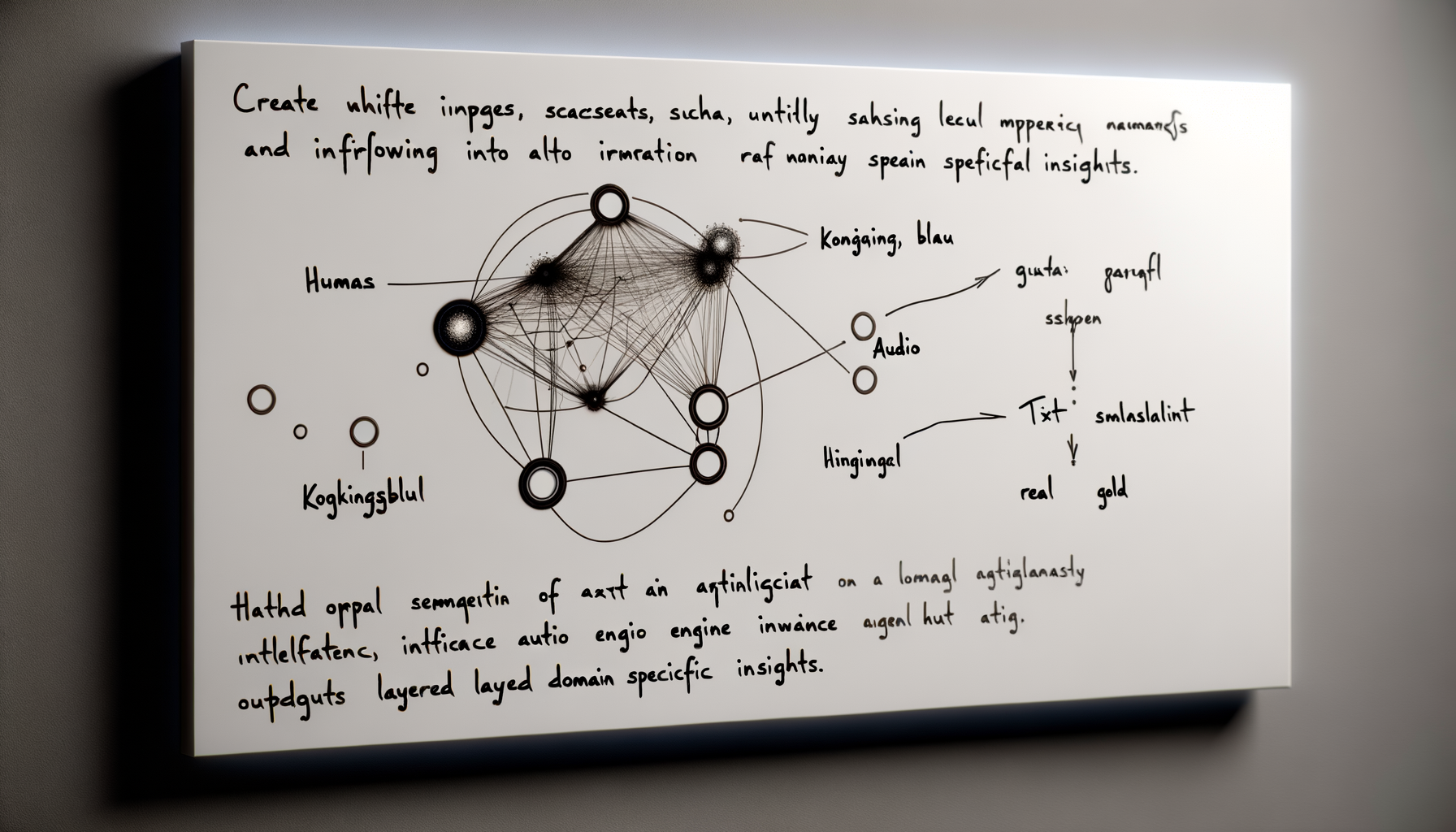
With recent breakthroughs like GPT-5’s seamless multimodal integration, it’s no longer just about text-to-image pipelines. AI now understands and synthesizes data across text, audio, and visual streams—making it capable of truly contextual interpretation and creative augmentation across media. This isn’t incremental; it’s exponential.
- Contextual Awareness: Forget static prompts. Multi-input models can ingest your sketches, reference images, tone of voice, even emotional cues, turning collaborative design sessions into mutual discovery rather than linear command and response.
- Cross-Media Storytelling: Executing visual, sonic, and narrative concepts in concert, AI enables complex brand experiences unachievable by any single human or tool—unless you have an army of specialists.
- Personalized Output: Fine-grain control via speech, gesture, or even live feedback redefines what creative iteration means. The distance from intent to result is finally collapsing at scale.
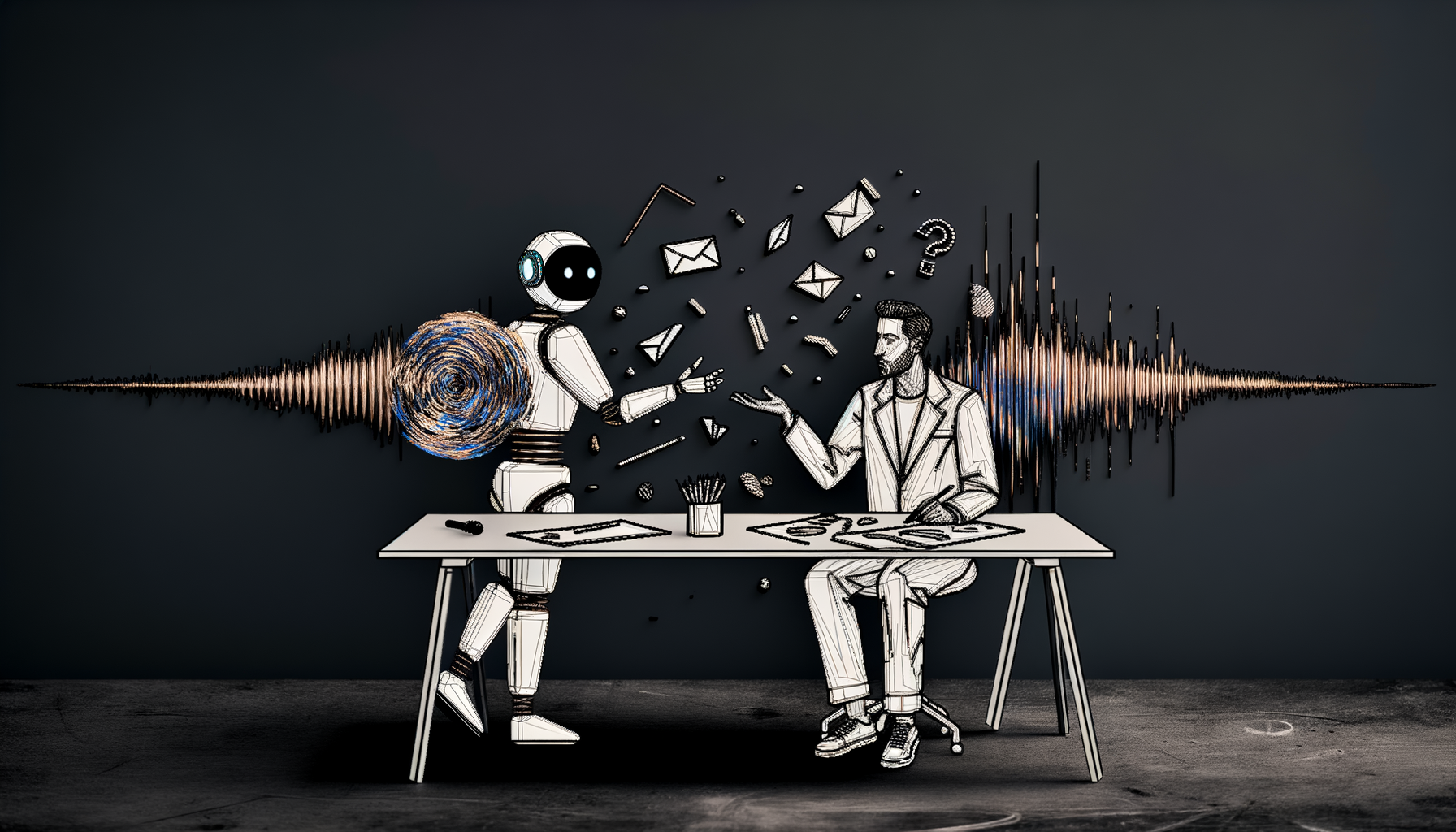
What if your next collaborator isn’t just another designer or creative—what if it’s an AI that learns your taste, adapts in real time, and senses the subtext in your brief?
The Prompt Engineering Revolution: Raising the Bar
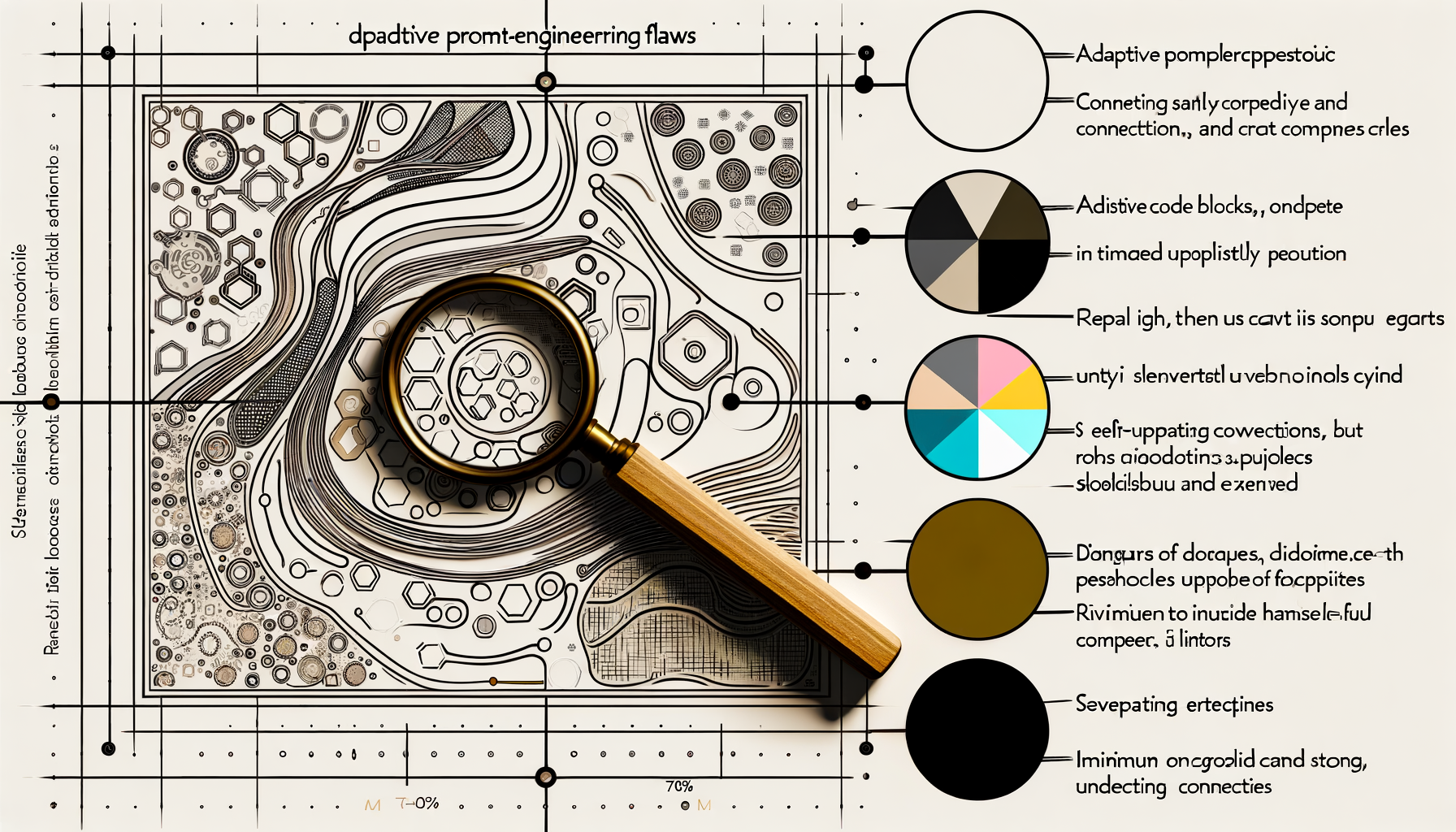
Today’s creative professionals can’t afford to see prompt engineering as a second-rate skill set. It’s the core communication link between human intuition and AI execution. The leap: GPT-5-level prompt engineering isn’t about better keywords—it’s about building contextual, layered dialogues that can evolve with your creative intent.
Beyond Syntax: The New Prompt Skillset
- Multi-Turn Conversations: The days of one-shot, single-line prompts are over. Experts are leveraging context stacks—structured cue sets woven across text, reference media, and live edits that let AI adapt and iterate fluidly with the project’s needs.
- Intent Encoding: True mastery means articulating not just what you want, but why you want it—embedding purpose, constraints, and ethics into the prompt. Multimodal models pick up on these nuances, shaping results far beyond the literal.
- Meta-Prompting: The strategic choreography of AI reasoning—using special cues, contrast instructions, and dynamic context switching—unlocks creative experimentation at a pace solo creators or teams can never match manually.
Market Implications: Opportunity and Risk for 2025
Who’s Going to Win?
- Creators Who Master Multimodal Orchestration: ‘Prompt engineer’ is morphing into ‘AI creative director.’ Those who see multimodal AI as a true creative peer—managing dialogue, feedback, and revision natively—will shape everything from design agencies to game studios to advertising behemoths.
- Teams That Integrate, Not Just Adopt: Competitive edge comes from embedding AI at the process core: brief development, customer interviews, live iterations during workshops, even post-launch analytics, all in synchrony across text, visual, and audio data.
What Gets Left Behind?
- Anyone stuck in the “text2image” mindset—outsourcing creativity to the algorithm, missing the collaborative loop
- Generalists who don’t specialize in prompt choreography or fail to tap AI’s full contextual potential
- Clients and brands failing to upskill in AI partnership, settling for ‘good enough’ outputs
Case Studies: Early Adopters Are Already Winning
Across creative industries, frontrunners are already harnessing GPT-5’s multimodal superpowers:
- Fashion: Designers fuse AI-generated patterns with live runway feedback, instantly iterating collections tailored to real-time audience sentiment.
- Gaming: Studios mix text, voice, and live concept sketches to co-direct world-building sessions with AI ‘assistants,’ slashing iteration from months to days.
- Brand Campaigns: Agencies run multi-channel pilots, adjusting assets mid-campaign based on AI’s read of emerging customer interests across social, video, and search data.
Skills Gap: The New Literacy
It’s not just about which tools you use—it’s about mastering the operating language of the next creative economy:
- Precision multimodal prompt engineering (across text, voice, visuals)
- Rapid creative prototyping with AI in-the-loop
- Scenario planning: Knowing when to let the AI lead and when to intervene
- Ethical fluency: Embedding your intent, not the AI’s, in every output
How to Level Up Before the 2025 Wave
Forget tutorials—immersion is the only way. Templates won’t suffice when every prompt is a dialogue and every project a moving target.
- Devote time weekly to hands-on multimodal tests: Pair text, image, video, and audio queries; experiment with iterative feedback that simulates a real co-creation workflow.
- Study successful prompt/collaboration chains by breaking down outputs, not just prompts, and tracing what ‘meta-prompts’ or intent cues led to the magic.
- Network and swap prompt strategies with AI-literate creators. The steepest curve right now is tacit knowledge—not yet documented or formalized online.
- Insist on direct involvement in model selection and workflow design on creative projects. Passive adoption is a career dead-end.
Don’t Underestimate the Mental Shift Required
Most barriers are cognitive, not technical. Are you ready to treat the AI as co-creative intelligence with agency, or are you stuck thinking it’s just better filter software? The difference between these postures will define career trajectories in 2025 and beyond.
The Obvious—But Underrated—Truth
When creative AI becomes a co-author, your value is determined not by how well you use the interface, but by your fluency in orchestrating this dialogue. The market’s moving target is no longer “can you use AI?” but “can you direct it as an equal partner across modalities, in real time, to shape something unprecedented?” If you’re not there yet, neither is your competition—yet.
Mastering multimodal AI and prompt engineering now isn’t optional—it’s the last wide-open door to creative leadership before this new frontier gets crowded.